Janmashtami celebrates Krishna's birth, but its familiar forms range from a small decorated cradle to a crowded temple gathering or a public performance. Beginning with the birth story helps explain the connection between these forms without assuming that every community marks the day in the same way.
A birth remembered through narrative
Accounts of Krishna's birth tell of danger, confinement and the child's movement into safety. Devotional observances may include recitation, singing and attention to the midnight birth. A cradle can bring the story into a domestic setting, allowing worshippers to approach the deity in the form of a child.
This relationship is different from an image of Krishna as a teacher or warrior. Notice how scale, clothing and the arrangement of a cradle change the emotional register of worship. The small object can carry an intimacy that a large public stage expresses differently.
Performance adds another layer
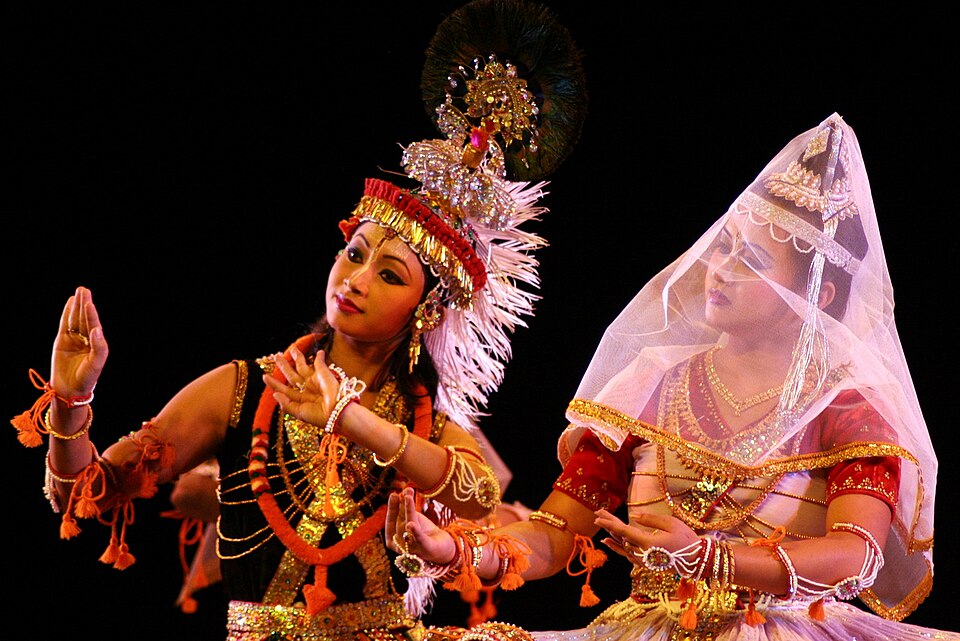
Dance, drama and music can present episodes from Krishna's life during the festival. A performer dressed as Krishna is representing a role; a caption should identify the performance rather than describe it as a historical scene. The work of musicians, costume makers and organisers deserves attention as well.
Ask which episode is being performed. Not every Krishna scene shows the birth itself. A careful record distinguishes the festival occasion from the narrative moment selected for the stage.
Dahi Handi is one regional expression
Human-pyramid events associated with the wider celebration are especially familiar in Maharashtra. They are organised activities with their own participants and risks, not an expected task for every visitor. Follow the organiser's arrangements and remain clear of the performance area.
Other households may observe through prayer, food offerings or visiting a temple. A quieter celebration is not missing the essential spectacle. The variety is part of the festival's living history, and should be described without ranking communities by crowd size.
Plan around the actual event
Confirm the temple's programme and travel arrangements if attending late at night. Fasting customs vary, and a cultural article should not prescribe them to every reader. People can discuss suitable participation according to their circumstances.
For a family record, note a song, a cradle decoration or an explanation of the birth story. Identify who shared it and the setting, with permission. These details connect Janmashtami to people and practices rather than leaving it as an interchangeable photograph of a brightly dressed child deity.



