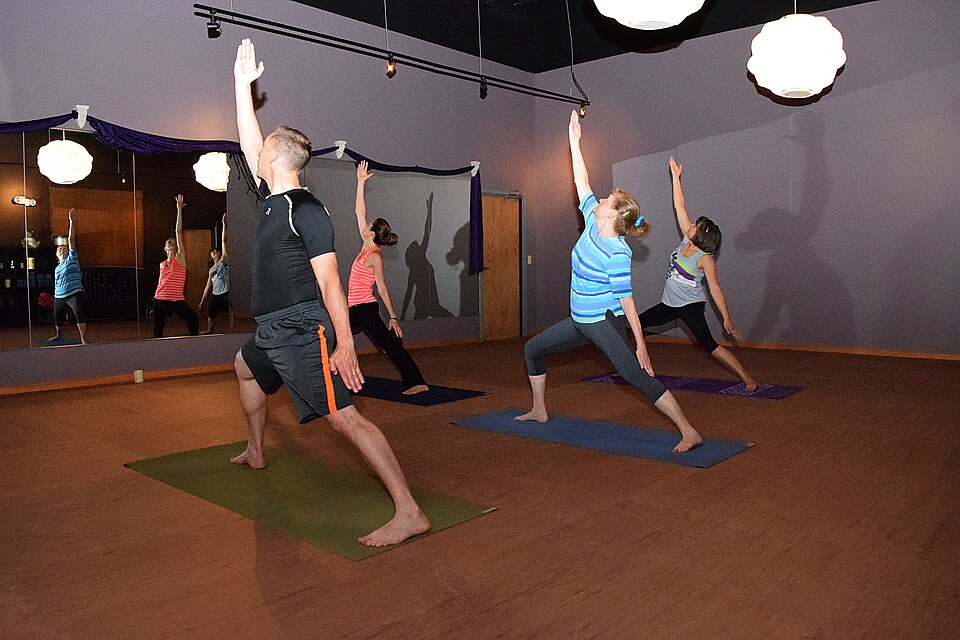
The hardest part of a first yoga class can happen before any movement begins: deciding what kind of class it is, what will be expected and whether questions are welcome. A little information beforehand can make the experience more comfortable than trying to follow everyone else without context.
Read beyond the class name
Words such as beginner, gentle and traditional can mean different things to different teachers. Ask about the pace, the amount of floor work and whether the session includes breath retention, chanting or a heated room. Find out whether a chair or other support is available if you need one.
Describe practical needs plainly. You do not have to tell a group your full medical history, but relevant limitations should be discussed privately with the teacher. For a health condition or pregnancy, ask a clinician about suitability rather than expecting the class description to answer that question.
Look for a teaching relationship
A useful teacher explains options and allows questions. Ask about their training and experience with people new to yoga. Qualifications are one part of the picture; how the teacher responds to a reasonable question also matters. A promise to cure a condition in a few sessions is not a substitute for a clear explanation.
NCCIH advises learning with qualified guidance and notes that yoga can cause injuries when practised inappropriately. Being new is therefore a reason to learn patiently, not to prove that you can match the most experienced person in the room.
Agree on choices before the session
You can decline physical adjustments and ask for verbal instruction. You can also pause, choose a different position or leave an activity out. It helps to know how the teacher signals transitions and whether they can show an alternative before the class is moving quickly.
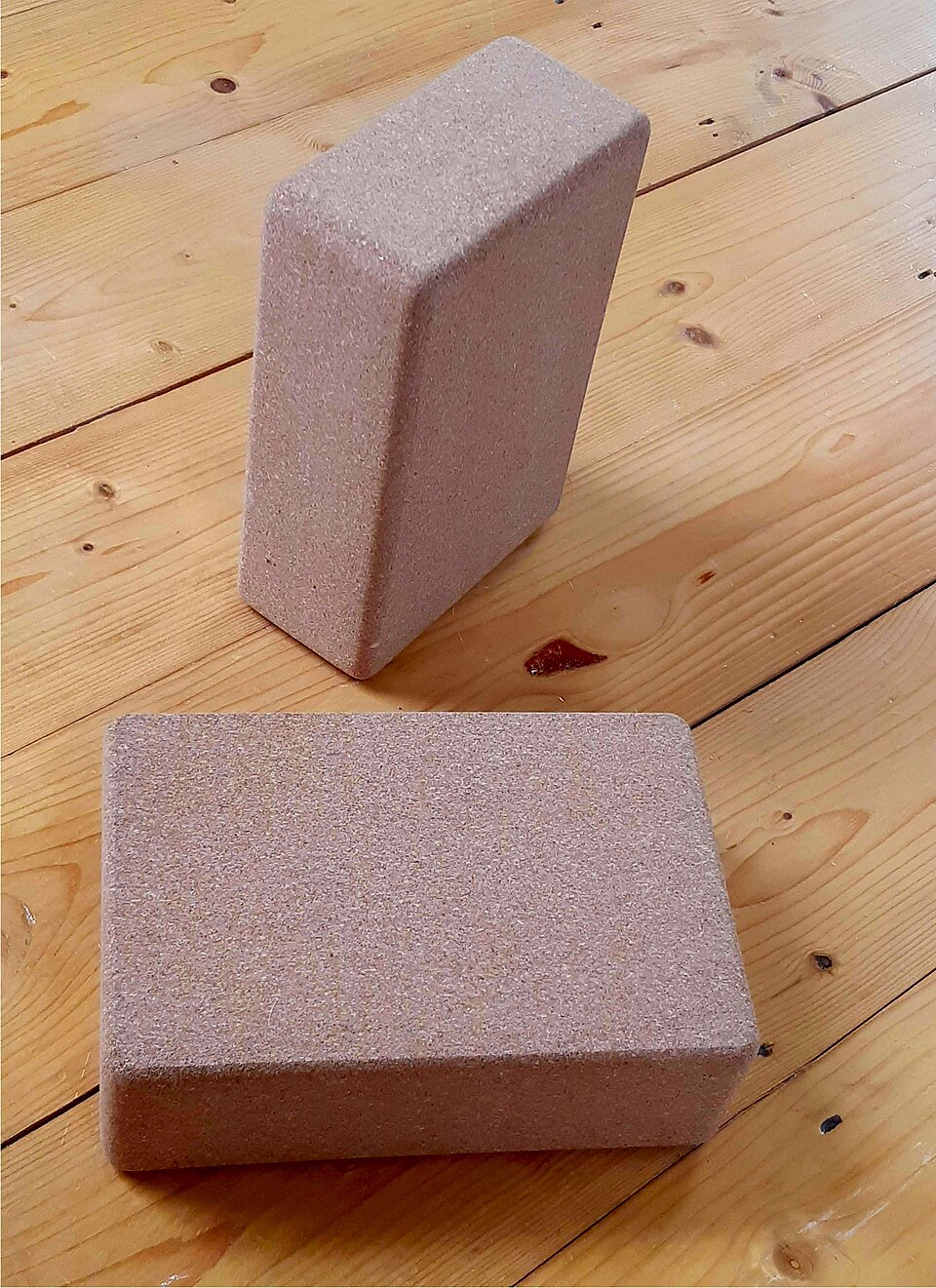
Wear clothing that allows comfortable movement and ask what equipment is supplied. Expensive accessories are not an entry requirement. Arriving a little early gives you time to find the room, discuss questions and settle without rushing.
Reflect on the teaching, not the photograph
Afterwards, ask whether instructions were understandable and whether you felt able to make choices. Did the teacher respond constructively when something was difficult? Were rest and adaptation treated as normal parts of learning?
The first session does not need to settle your long-term relationship with yoga. Its value may be learning a few terms and discovering what kind of teaching suits you. A class should offer a setting for that learning, rather than a performance in which every beginner is expected to look the same.