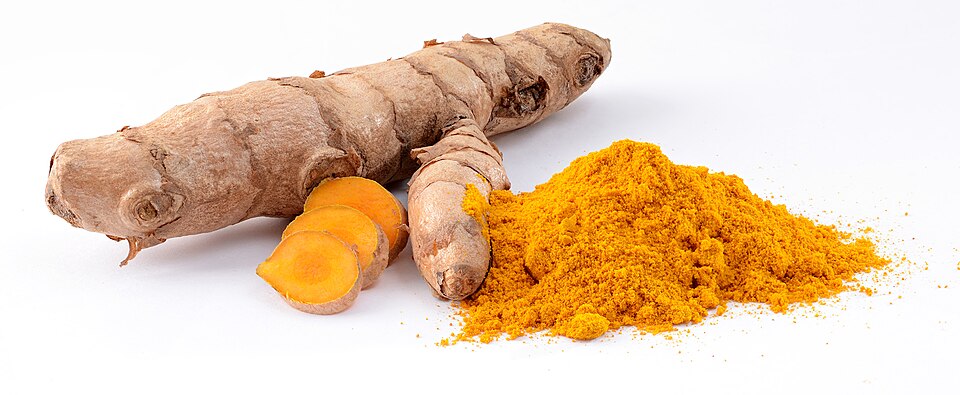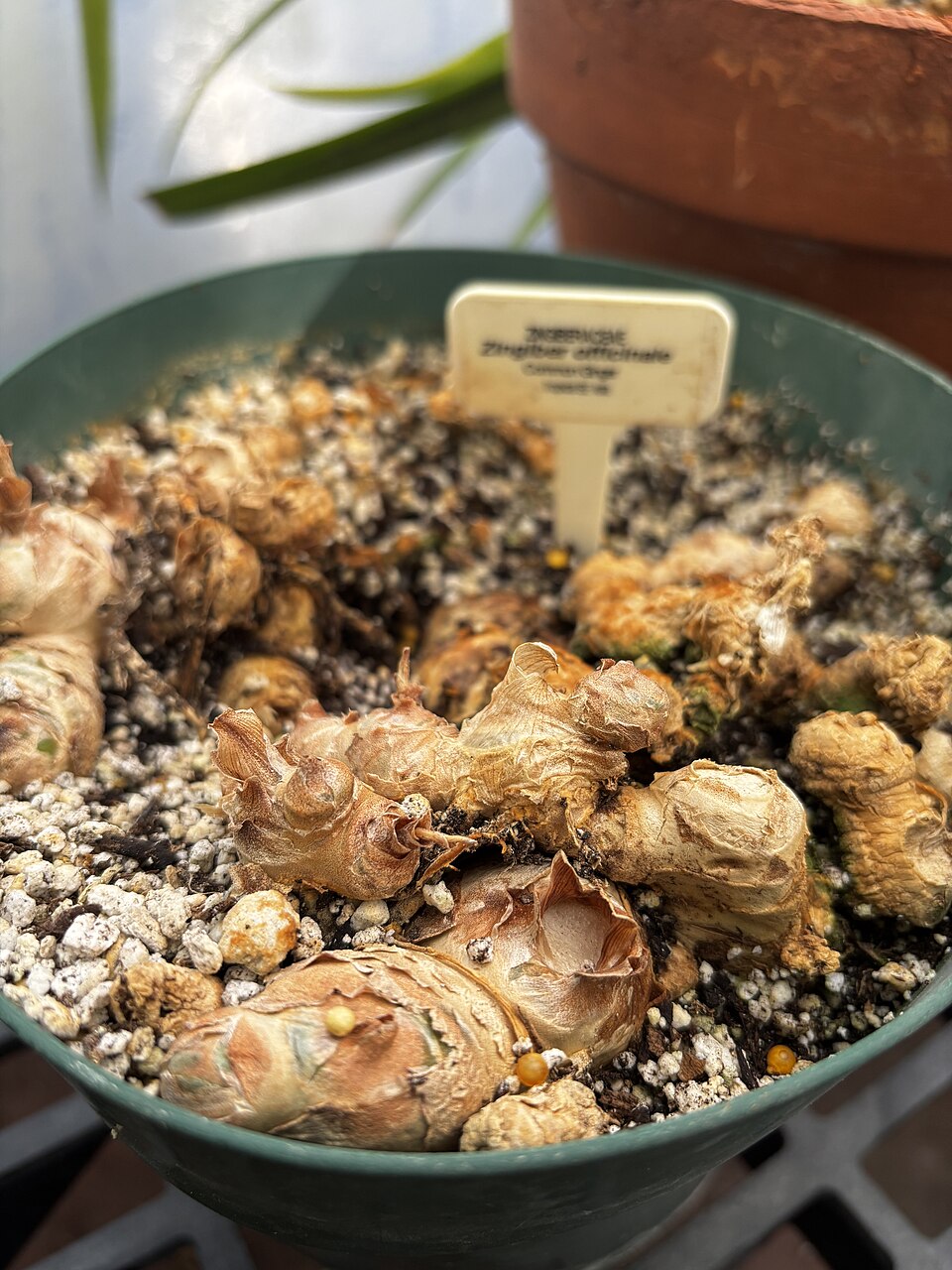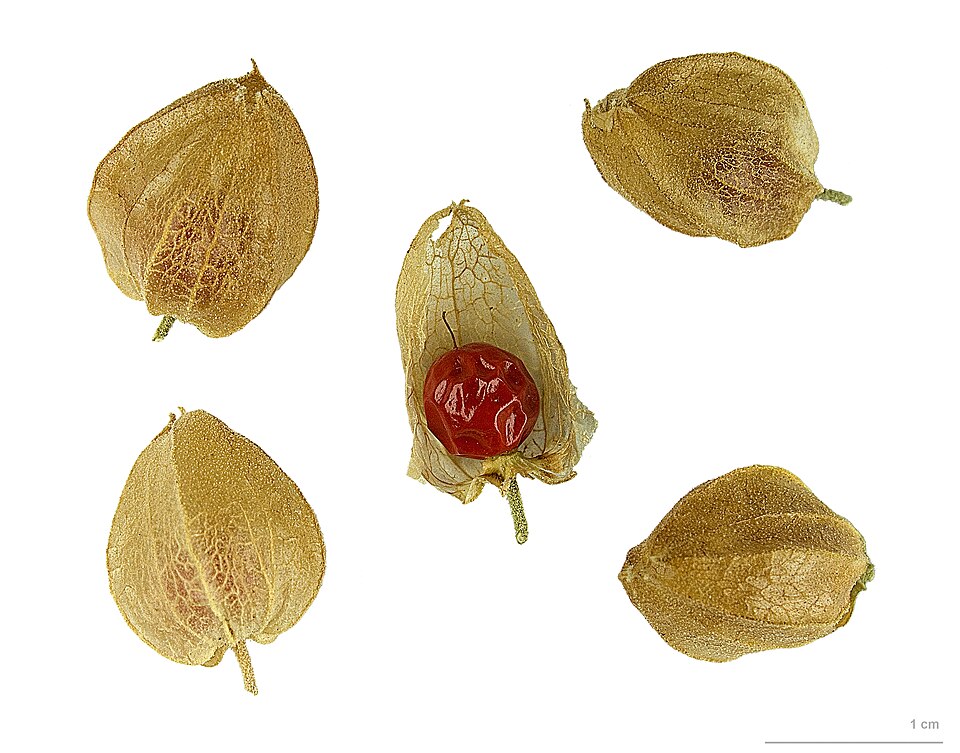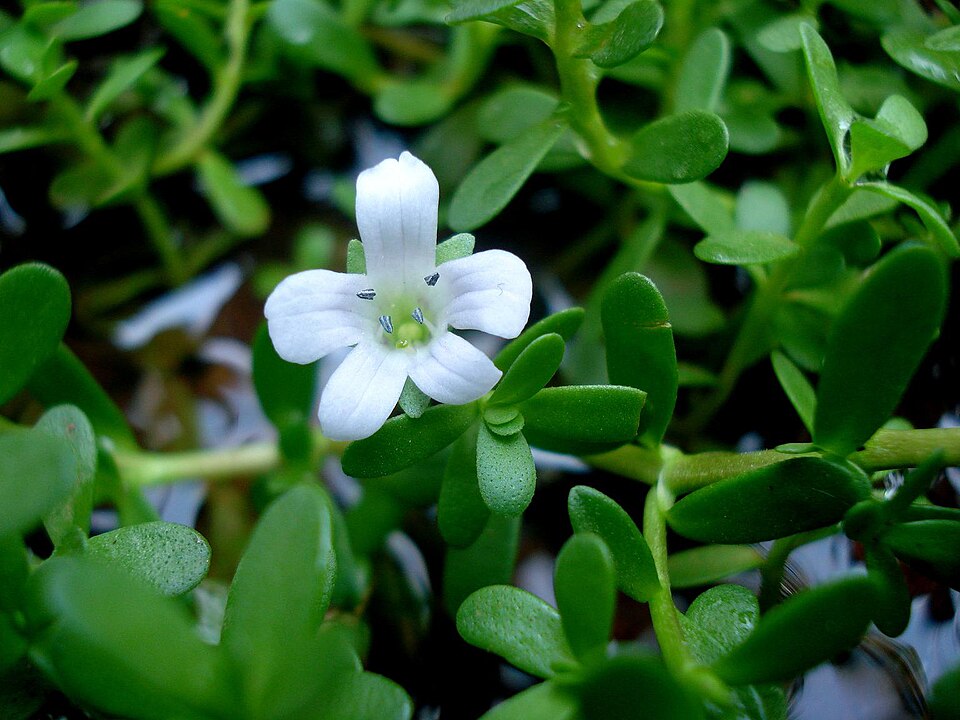
An herb can have a Sanskrit name, several regional names, a trade name and a botanical name. Those names do not always line up neatly. Before discussing what a plant might do, it is worth establishing what plant or preparation is actually being discussed.
A common name can hide a difference
The name brahmi is used in different settings for plants that are not botanically identical. This illustrates why a familiar word on a packet should be followed by more questions. Botanical naming helps reduce ambiguity, though a printed name alone does not verify the contents of a product.
Record the Latin name, the part used and the form of preparation. A leaf powder, root extract and whole-plant preparation are not automatically interchangeable. Keep the original packaging rather than transferring a powder into an unlabelled jar and losing its identifying information.
Read the whole label
Start with ingredients, not the decorative image. Look for quantities where supplied, manufacturer details, batch information and expiry. If the product contains a mixture, a study about one plant cannot establish the effects of the whole blend. A short name such as tonic may conceal a long list of components.
Write down any information that is missing or unclear. Ask the seller or practitioner to explain it in plain language. If the answer simply repeats a promotional claim, the question has not been answered. Avoid treating an official-looking symbol as proof that every advertised benefit has been independently demonstrated.
A photograph has limits
Botanical images are useful for learning, but a single photograph is not a safe identification method for a plant you intend to ingest. Leaves, flowers, fruits and local growing conditions can all matter. Do not taste an unknown plant because an image search looks similar.
For a cultural notebook, photograph a labelled specimen in a botanical garden and record where the label came from. That creates a better learning record than assigning a medicinal identity to a roadside plant. It also separates observation from a decision to use it.
Take better information to an appointment
Bring the package or clear photographs of every label panel to a clinician or pharmacist. Include other supplements and medicines rather than discussing each item in isolation. NCCIH's supplement guidance is a useful starting point for these conversations.
Accurate naming is not a technical detail reserved for specialists. It is the first step in making a meaningful claim, checking a source and avoiding confusion between different substances sold under a reassuringly familiar name.
Sources & further reading
This educational article discusses cultural context and how to assess health claims. It does not provide a diagnosis or an individual treatment plan.