Ashwagandha is often advertised with a long list of possible benefits: calmer days, better sleep, improved performance and more energy. The number of promises can make a product seem well established. It is more useful to ask which preparation was studied, for what purpose, and what remains uncertain.
Begin with the plant and preparation
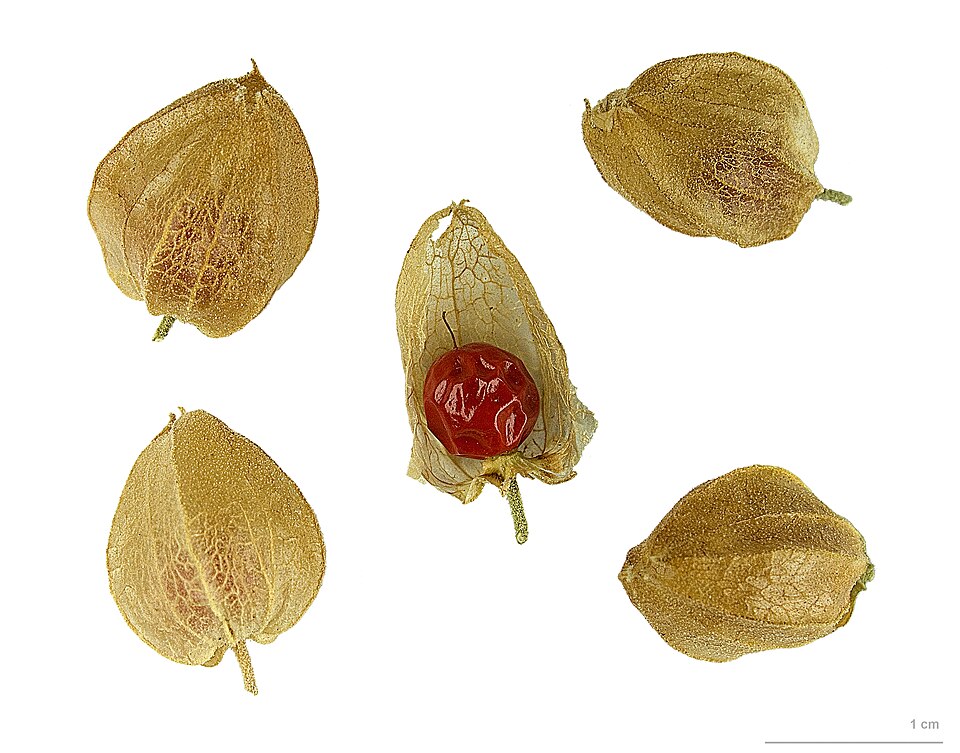
Ashwagandha is Withania somnifera. Products may use roots, leaves or extracts, and one preparation should not be assumed equivalent to another. A plant photograph helps explain identity, but it cannot show the concentration, quality or ingredients of a capsule made from it.
Copy the product name, plant part and full ingredient list before looking up a claim. If an advertisement cites research without identifying the preparation, the connection between the research and the product is incomplete. A familiar Sanskrit name is not enough to bridge that gap.
What the evidence can and cannot say
NCCIH reports that some preparations may help with stress or insomnia, while studies are often small and use differing products. Long-term safety is not well established. These findings do not support treating the herb as a universal answer to fatigue, anxiety, athletic goals or every problem described as hormonal imbalance.
Notice whether a headline converts a possible effect into a promise. “Studied for” and “proven to cure” are very different statements. Ask what outcome changed, how it was measured and whether the result matters in everyday life.
Safety belongs beside the promise
NCCIH advises avoiding ashwagandha during pregnancy and breastfeeding and notes concerns involving thyroid or autoimmune disorders, surgery and medicine interactions. Reports of liver injury also exist. These cautions are reasons to discuss a proposed product with a clinician rather than treating a supplement as an ordinary food.
Bring the actual label to that discussion. Ask whether there is a clearer explanation for the symptom you want to address and whether any tests or established care are appropriate. Do not stop prescribed medicines because a product is described as traditional.
Read reviews with the right expectations
A customer's experience may be sincere but cannot isolate what caused a change. Sleep, workload, other treatments and expectations can change together. Reviews can describe packaging or taste; they do not replace a well-designed study.
For a useful personal decision, write down the specific problem and the questions you still need answered. That is a better starting point than collecting a dozen advertised benefits and assuming they will all apply to you.
Sources & further reading
This educational article discusses cultural context and how to assess health claims. It does not provide a diagnosis or an individual treatment plan.