Ginger travels easily between a vegetable stall, a cup of tea and a supplement advertisement. Its familiarity can make the last step seem smaller than it is. Understanding the difference between flavouring a dish and trying to treat a symptom helps keep useful kitchen knowledge from becoming an unsupported medical promise.
Know which preparation is in front of you
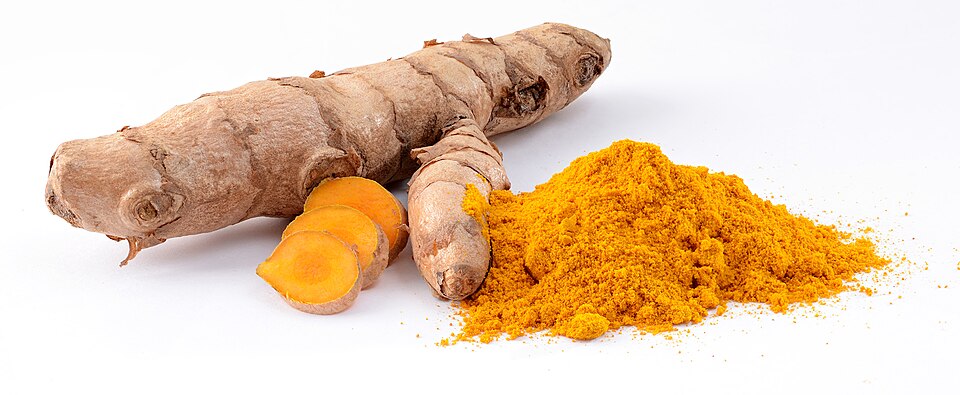
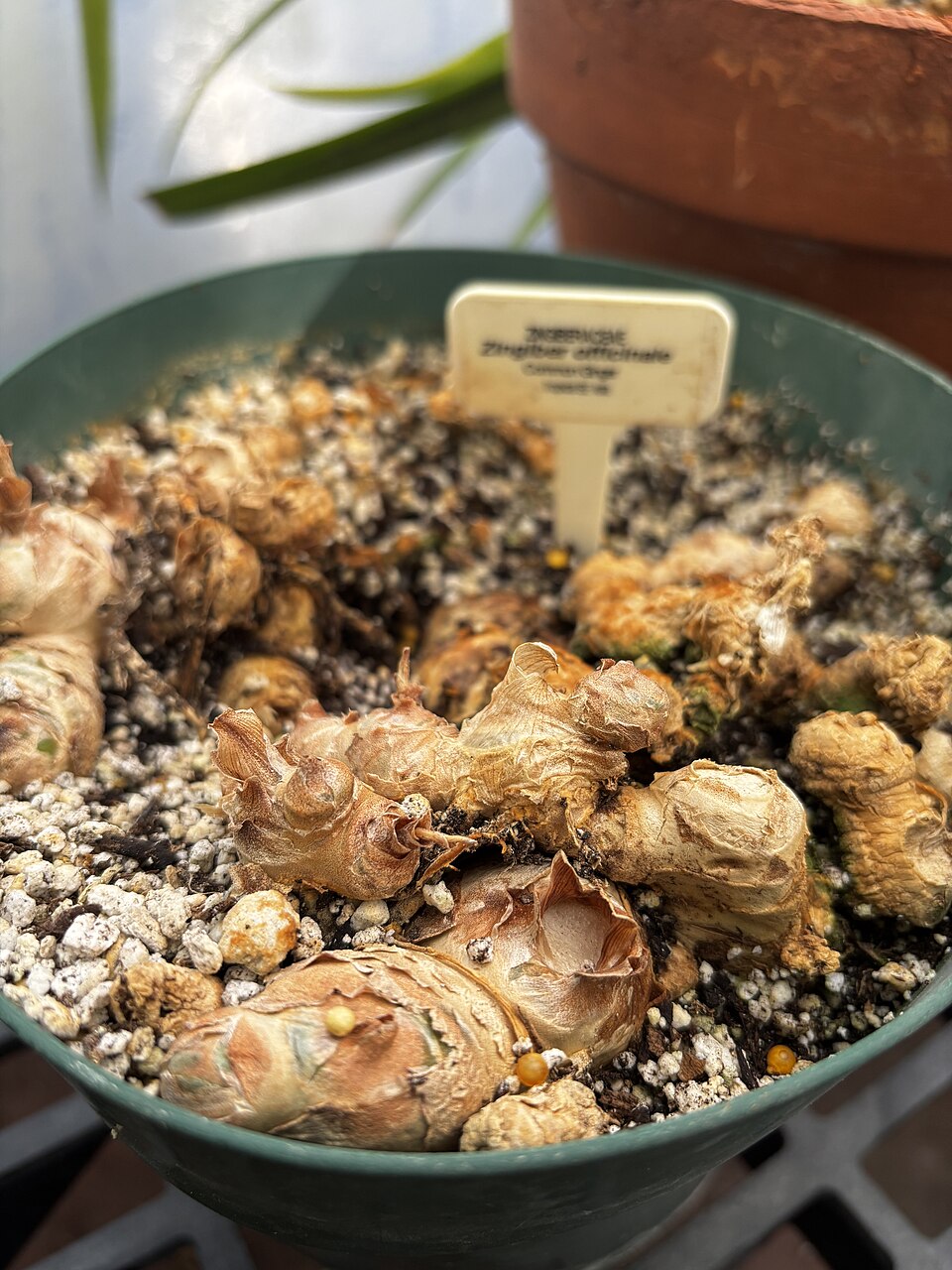
The ginger used in cooking is the rhizome of Zingiber officinale. Fresh slices, dried powder, sweets and concentrated products differ in composition and use. A sweetened drink may contain many ingredients besides ginger. The name on the front of a packet cannot tell you everything about what is inside.
For a household recipe, record whether ginger is grated, crushed or sliced and when it is added. These details explain differences in the finished dish more reliably than saying that one version is universally stronger or healthier. They also help preserve a cook's knowledge without overstating it.
Read a nausea claim narrowly
Ginger has been studied for nausea, but the cause of nausea and the preparation studied matter. NCCIH describes possible benefit for pregnancy-related nausea and vomiting while noting uncertainty for other situations. This is not a blanket recommendation for everyone who feels unwell, and pregnancy is a reason to discuss supplement use with a clinician.
Avoid carrying a result from one context into another. A product advertised for motion sickness, postoperative symptoms or a chronic digestive problem needs evidence relevant to that use. One favourable sentence in an advertisement may omit the qualifications in the study it cites.
Natural does not mean interchangeable
NCCIH lists possible side effects including heartburn, abdominal discomfort and diarrhoea, and advises discussion of herbal products alongside medicines. A person who enjoys ginger in food may still need advice before taking a concentrated supplement. A general article cannot determine an appropriate amount for an individual.
When asking about a product, bring the packaging and a list of everything else you take. A photograph of the label is more useful than describing it as an Ayurvedic digestive remedy, a phrase that could cover many different mixtures.
Keep a practical distinction
Write two separate notes: what you enjoy as food and what you are considering for a health problem. For the first, taste, preparation and family custom are useful questions. For the second, ask about evidence, risks and alternatives. This simple separation makes space for both cultural appreciation and sensible decisions, without presenting a familiar cup of ginger tea as a treatment for every stomach complaint.
Sources & further reading
This educational article discusses cultural context and how to assess health claims. It does not provide a diagnosis or an individual treatment plan.