A pinch of turmeric in a pot and a capsule of concentrated extract may share a plant name, but they are not the same product. This distinction is easy to lose when a familiar kitchen ingredient becomes the centre of a health advertisement. A careful reading begins with what is actually being consumed.
Follow the ingredient from plant to product
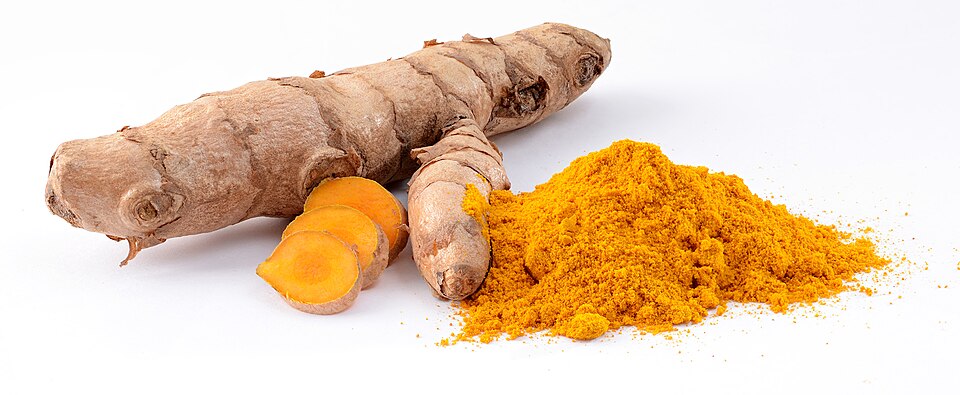
Turmeric comes from the rhizome of Curcuma longa. The fresh rhizome, dried powder and an extract are different preparations. Curcumin is one constituent associated with turmeric's colour; it is not another name for everything in the spice. A study of a particular extract cannot automatically describe a household recipe.
Read the full label instead of the large word on the front. Does it describe powdered rhizome or an extract? Are other ingredients included? Is the product intended as food or sold for a health purpose? Write the details down before comparing it with research or asking a professional about it.
A claim needs an exact question
The question “Is turmeric good?” is too broad to answer usefully. Better questions identify the preparation, the people studied and the outcome. A claim about discomfort in one condition does not establish benefits for immunity, memory, skin and longevity at the same time.
NCCIH reports that evidence remains insufficient for firm conclusions about many promoted uses. It also notes reports of liver injury with some highly bioavailable formulations. Culinary familiarity therefore should not be used to assume that every concentrated product is harmless.
Keep the kitchen story worth telling
There is plenty to notice without a medical promise: how a cook adds turmeric, whether it is fresh or dried, and how the amount affects colour and flavour. Ask about the specific dish rather than claiming one method represents all Indian cooking. A family recipe becomes more informative when its region and maker are named with permission.
For your own recipe notes, record the preparation and the other ingredients. That makes the result repeatable. Describing a golden drink as a family custom is clearer than calling it a universal detox, particularly when that phrase supplies neither a defined toxin nor a measured result.
Before using it as treatment
If you are considering a supplement for symptoms, take its label to a clinician or pharmacist and mention your medicines. Do not replace a prescribed treatment with a kitchen recipe. This article is a guide to reading claims, not a dose recommendation. Separating food, cultural use and clinical evidence allows each subject to be discussed with greater accuracy.
Sources & further reading
This educational article discusses cultural context and how to assess health claims. It does not provide a diagnosis or an individual treatment plan.