Dwarka, Puri and Rameswaram connect major pilgrimage traditions with coastal settings. They belong to the wider four-Dham circuit alongside Badrinath, but that circuit should not be confused with a list of Shankaracharya's four monastic institutions. Visiting these sites also reveals differences in worship and architecture that a single label can hide.
Dwarka: shrine and shoreline
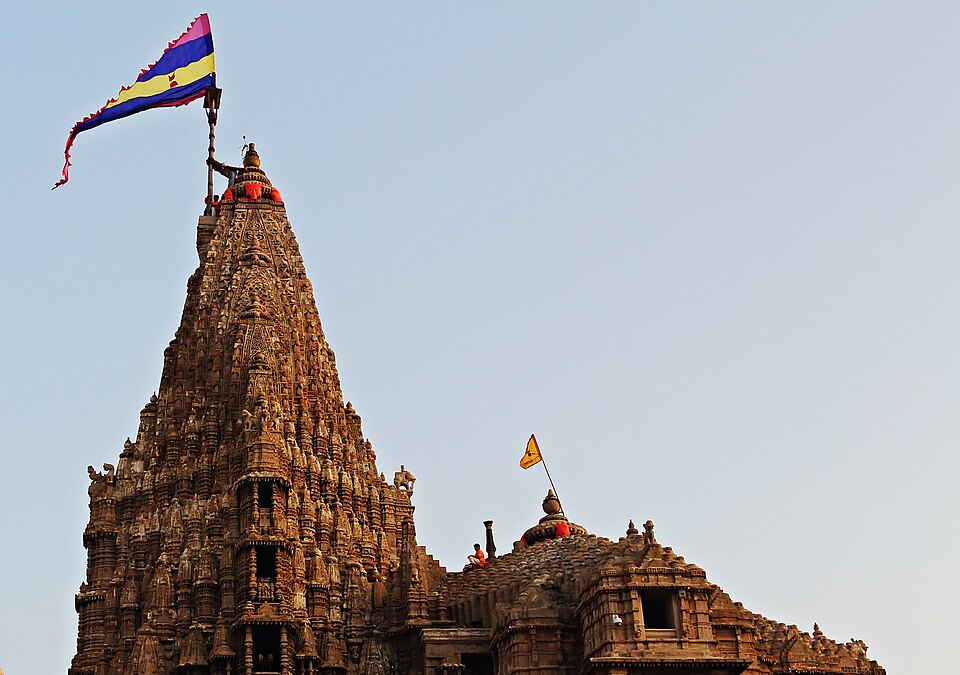
Dwarkadhish Temple stands in a town whose sacred identity is closely associated with Krishna. Its elevated spire and flag are familiar visual features. Gujarat Tourism provides a useful introduction to the temple, while current worship and access arrangements should be checked with the shrine itself.
The sacred narrative of Krishna's city and research on submerged remains are related subjects of interest, but they are not interchangeable evidence. Archaeological finds need their own dating and interpretation. A general account should not claim that every object recovered offshore proves the full narrative of the lost city.
Puri: see the complex as a sequence
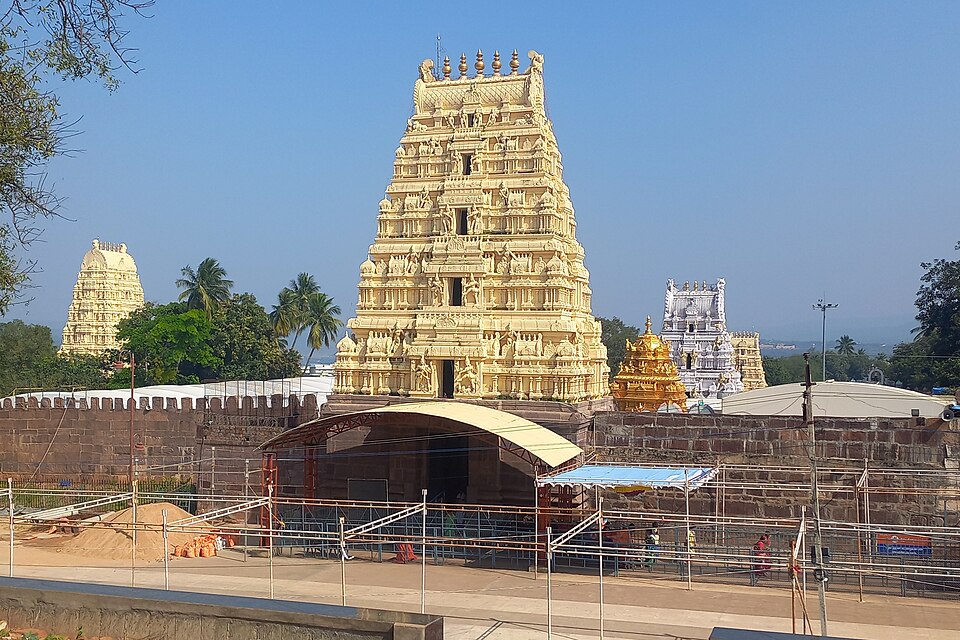
Jagannath Temple belongs to Odisha's architectural and devotional setting. The surrounding city, enclosure, halls and major tower offer several scales at which to understand it. Access restrictions must be respected, and an exterior view can still support careful observation.
Avoid familiar but unsupported claims that a monument silences the sea by a precisely calibrated acoustic design or that a metal finial has a demonstrated modern engineering function. Such assertions need technical evidence. They are not established simply by repeating a popular temple mystery.
Rameswaram: corridors and movement
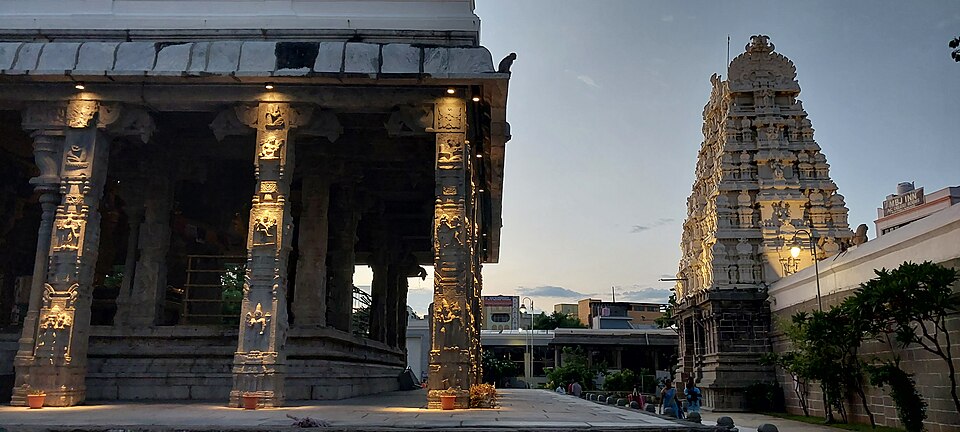
Ramanathaswamy Temple is known for its extensive pillared corridors and its place in pilgrimage associated with Rama and Shiva. The Ramanathapuram district administration documents its prominent architectural features. The repetition of pillars gives a visitor a clear opportunity to observe perspective, movement and changing light.
A corridor's beauty does not require an unverified claim that it is the longest structure of its kind in the world. Nor should the sacred waters within the complex be assigned medical benefits or precise mineral properties without suitable evidence. Religious significance and a laboratory claim are different matters.
Compare features rather than declare a formula
For each place, note the approach, enclosure, tower and movement through the available spaces. Ask which features belong to the period being discussed and which have been repaired or added. Coastal exposure raises important conservation questions, but the materials and solutions must be established site by site.
A useful comparison preserves these differences. The three shrines share the wider pilgrimage circuit, yet each has its own history, living community and architectural setting. Specific observations serve a reader better than a universal story about ancient buildings effortlessly defeating every environmental force.