The 4 Maha Dhams of Adi Shankaracharya
Badrinath in the North, Dwarka in the West, Puri in the East, and Rameshwaram in the South. Completing this circumambulation of Bharatvarsha is believed to free the soul from the wheel of Samsara.

Badrinath Dham (North)
Flanked by the twin mountain sentinels Nar and Narayana with the snow-covered Neelkanth peak rising behind, Badrinath is the northern crown of India. Here, Bhagwan Vishnu sat in intense meditation under severe blizzard conditions; his consort Goddess Lakshmi took the form of a Badri tree (Jujube) to protect him from the harsh elements.
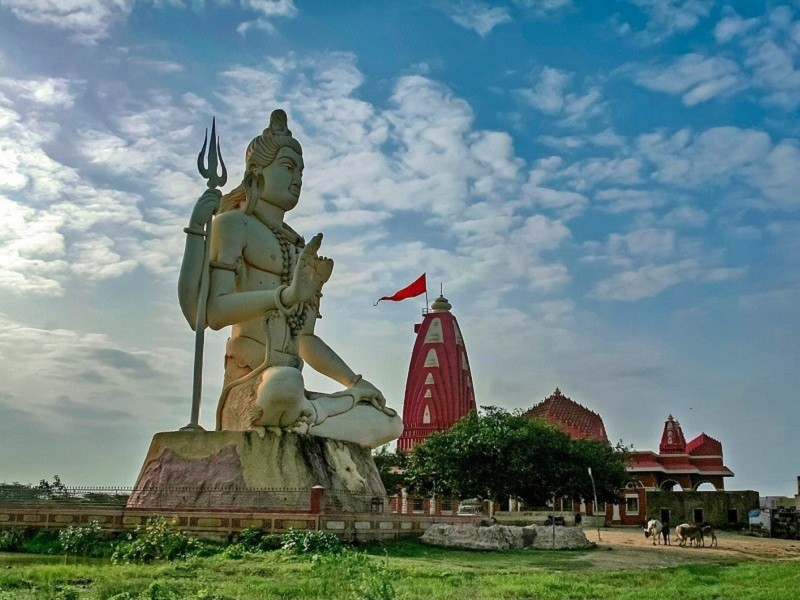
Dwarkadhish Dham (West)
Rising gracefully above the confluence of the sacred Gomti river and the Arabian Sea, the 5-story Jagat Mandir of Dwarkadhish was originally constructed by Lord Krishna’s great-grandson Vajranabha. The 52-yard triangular banner (Dhwaja) fluttering atop the 78-meter temple spire represents the 52 gates of the eternal city and is replaced five times daily.

Jagannath Puri Dham (East)
Celebrated globally for its colossal Ratha Yatra (Festival of Chariots), Jagannath Puri is where the Supreme Lord of the Cosmos is worshipped as living wooden icons carved from sacred Neem logs (Daru Brahma). The temple features the world’s largest traditional kitchen (Rosha Ghara) where Mahaprasad is cooked in seven earthen pots stacked atop each other over firewood.
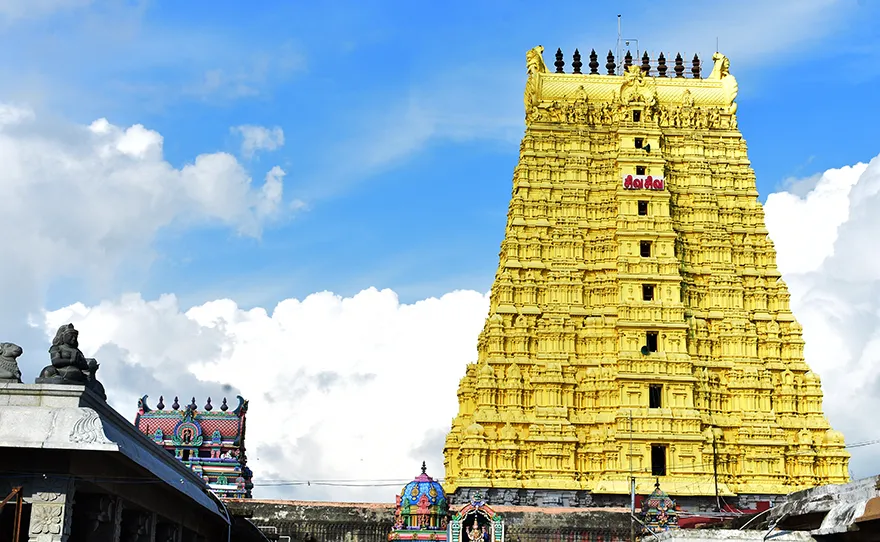
Rameshwaram Dham (South)
Anchoring the southern boundary of India where the Indian Ocean embraces the Bay of Bengal, Rameshwaram is the sacred point from where Lord Rama dispatched Hanuman and the Vanara sena to build the Ram Setu bridge. Lord Rama fashioned and consecrated the sand Lingam here with his own hands.
The Himalayan Chota Chardham
Nestled in the Garhwal Himalayas of Uttarakhand, these four shrines trace the sources of India’s most sacred rivers and the highest sanctums of Shiva and Vishnu.
Yamunotri Dham
Uttarkashi, Uttarakhand (Alt: 3,291 meters)The divine source of the Yamuna river at Champasar Glacier, presiding over thermal springs (Surya Kund) where rice is cooked in holy waters as prasad.
Gangotri Dham
Uttarkashi, Uttarakhand (Alt: 3,100 meters)Where Goddess Ganga descended from the locks of Shiva to earth following the severe penance of King Bhagiratha to liberate 60,000 ancestors.
Kedarnath Dham
Rudraprayag, Uttarakhand (Alt: 3,583 meters)The eternal Himalayan meditation seat of Lord Shiva among glaciers and towering peaks, built of giant interlocking stone slabs.
Badrinath Dham
Chamoli, Uttarakhand (Alt: 3,133 meters)The sacred Himalayan abode of Lord Vishnu beside the Alaknanda river, completing both the Chota Chardham and the Maha Chardham circuits.