
Somnath Jyotirlinga
Revered as the Adya (first) among all 12 Jyotirlingas, Somnath stands magnificently on the shores of the Arabian Sea. According to the Skanda Purana, Chandra Deva (the Moon God) was cursed to lose his luster by Daksha. He performed intense penance at Prabhas Tirtha and installed this holy Shiva Linga. Mahadeva appeared and restored the Moon’s waxes and wanes. The temple features the mysterious Baan Stambh (Arrow Pillar) pointing straight to the South Pole without a single landmass in between.
Symbolizes resurrection, eternal faith, and victory over the curse of decay. Offers redemption from chronic diseases and mental afflictions.
Mallikarjuna Jyotirlinga
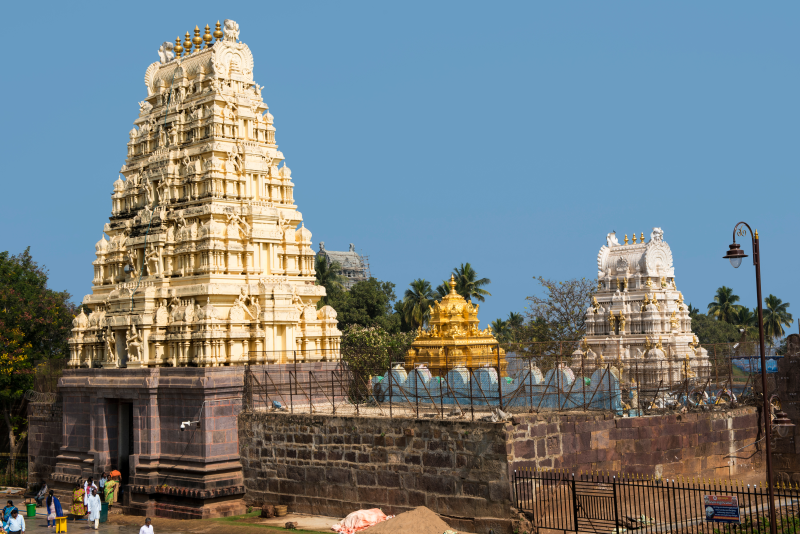
Perched on the sacred hills of Srisailam along the river Krishna, this sanctum is both a supreme Jyotirlinga and one of the 18 Maha Shakti Peethas (Goddess Bhramaramba). When Lord Kartikeya left Mount Kailash in grievance, Lord Shiva and Parvati assumed the forms of Arjuna and Mallika (Jasmine) to watch over their beloved son here.
Merely casting one’s eyes upon the peak of Srisailam (Shikhar Darshana) is declared in scriptures to liberate the soul from cyclic rebirth.

Mahakaleshwar Jyotirlinga
The only south-facing (Dakshinmukhi) Jyotirlinga, Mahakaleshwar presides over the ancient astrological meridian of Avantika. Lord Shiva burst forth from the earth as a column of infinite light to slay the demon Dushana and protect his devout worshippers. Renowned worldwide for its pre-dawn Bhasma Aarti, where the deity is worshipped with sacred ash.
Lord Mahakala conquers all forms of fear, untimely demise (Akaal Mrityu), and transcends the limitation of mortal time.

Omkareshwar Jyotirlinga
The sacred island of Mandhata in the holy Narmada River is shaped naturally like the primordial cosmic syllable ॐ (AUM). The Jyotirlinga is divided into two twin sanctuaries: Omkareshwar on the island and Amareshwar (Mamleshwar) on the mainland bank, both worshipped together as one complete manifestation.
Meditation here aligns the seeker with the primordial vibration of creation and brings fulfillment of righteous desires.
Kedarnath Jyotirlinga
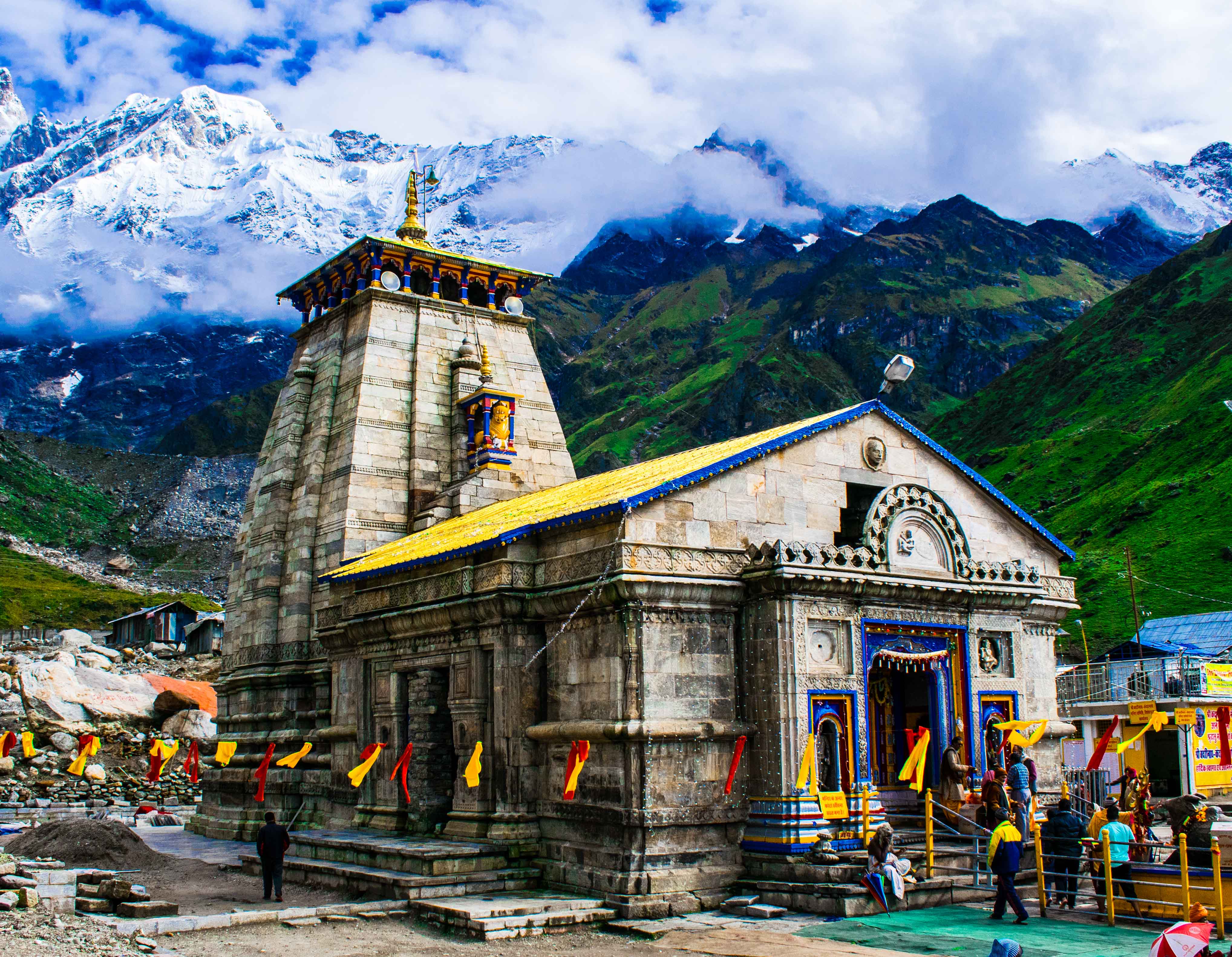
Standing at 3,583 meters above sea level against the dramatic backdrop of snow-peaked Himalayan ranges, Kedarnath is the highest among all Jyotirlingas. Following the Kurukshetra War, the Pandavas sought Shiva to absolve their sins of fratricide. Shiva took the form of a celestial bull and dived into the earth; his triangular hump remained behind at Kedarnath to bless the world.
Represents supreme penance, spiritual purification, and liberation. Open only from Akshaya Tritiya to Kartik Purnima.
Bhimashankar Jyotirlinga
Hidden deep within the Sahyadri mountains where the river Bhima originates, Lord Shiva manifested in colossal form to vanquish the tyrannical demon Bhima, son of Kumbhakarna. The intricate Nagara-style stone carvings and the dense misty rainforest sanctuary evoke awe and reverence.
Brings victory over insurmountable inner afflictions, fear of negative forces, and establishes dharmic justice.
Kashi Vishwanath Jyotirlinga
Standing in the world’s oldest continuously inhabited city, Kashi Vishwanath is the spiritual axis of Sanatan Dharma. The city rests upon the trident of Shiva, immune to cosmic dissolution. It is said that anyone who breathes their last breath in Kashi is whispered the liberating Taraka Mantra by Lord Shiva himself.
The supreme epicenter of Moksha. A dip in the holy Ganga coupled with Vishwanath darshan cleanses lifetimes of sins.
Trimbakeshwar Jyotirlinga
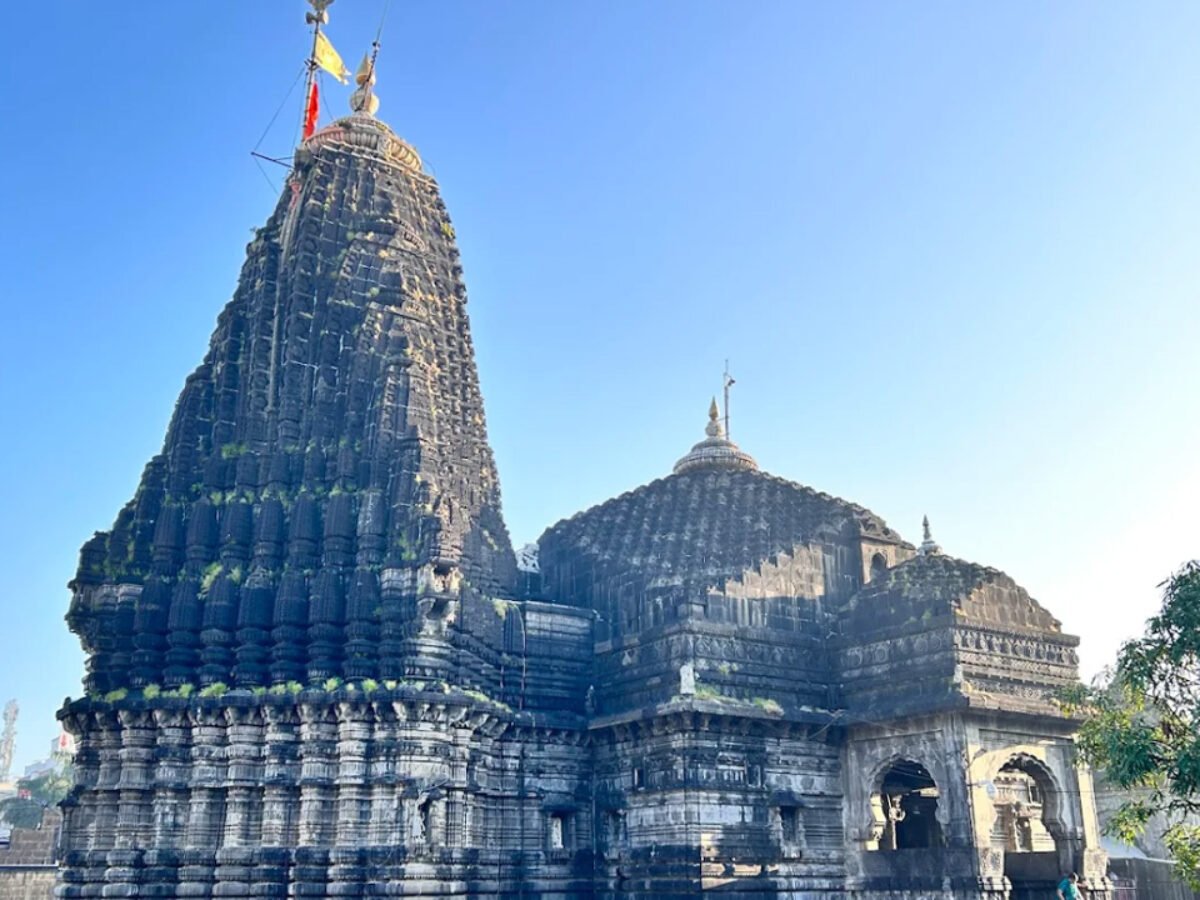
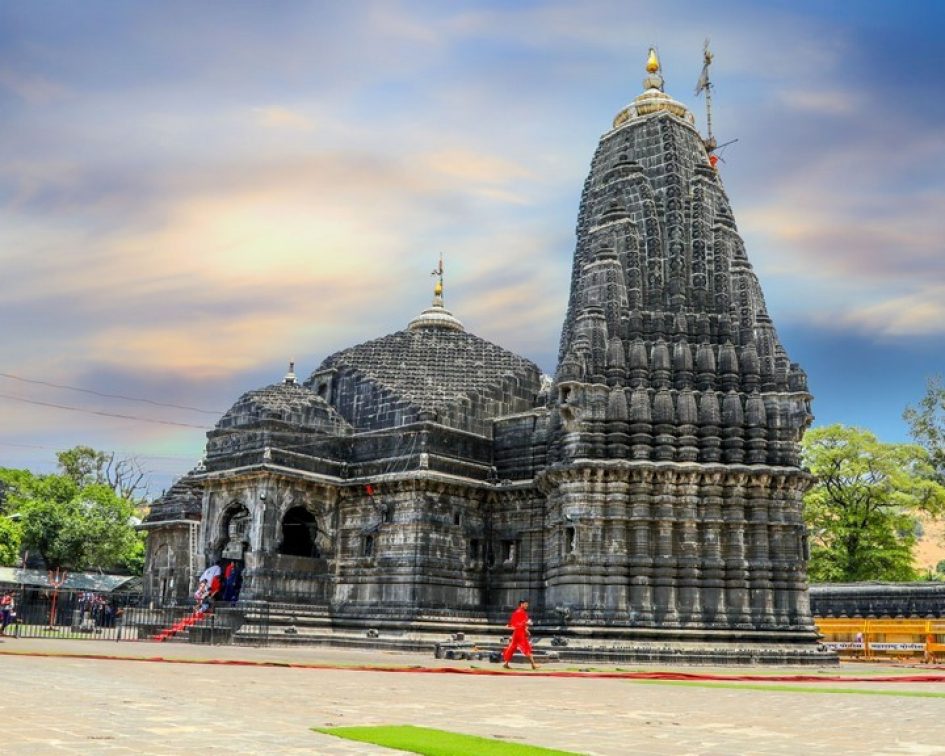
Nestled at the base of the sacred Brahmagiri mountain where the Godavari River descends, Trimbakeshwar is unique: the lingam possesses three distinct thumb-sized faces representing the holy Trinity—Brahma the Creator, Vishnu the Preserver, and Shiva the Destroyer. An ornate gold crown adorned with diamonds and rubies is placed during special pujas.
Famed center for performing Narayan Nagbali and Kalsarp Shanti pujas to relieve ancestral and karmic burdens.
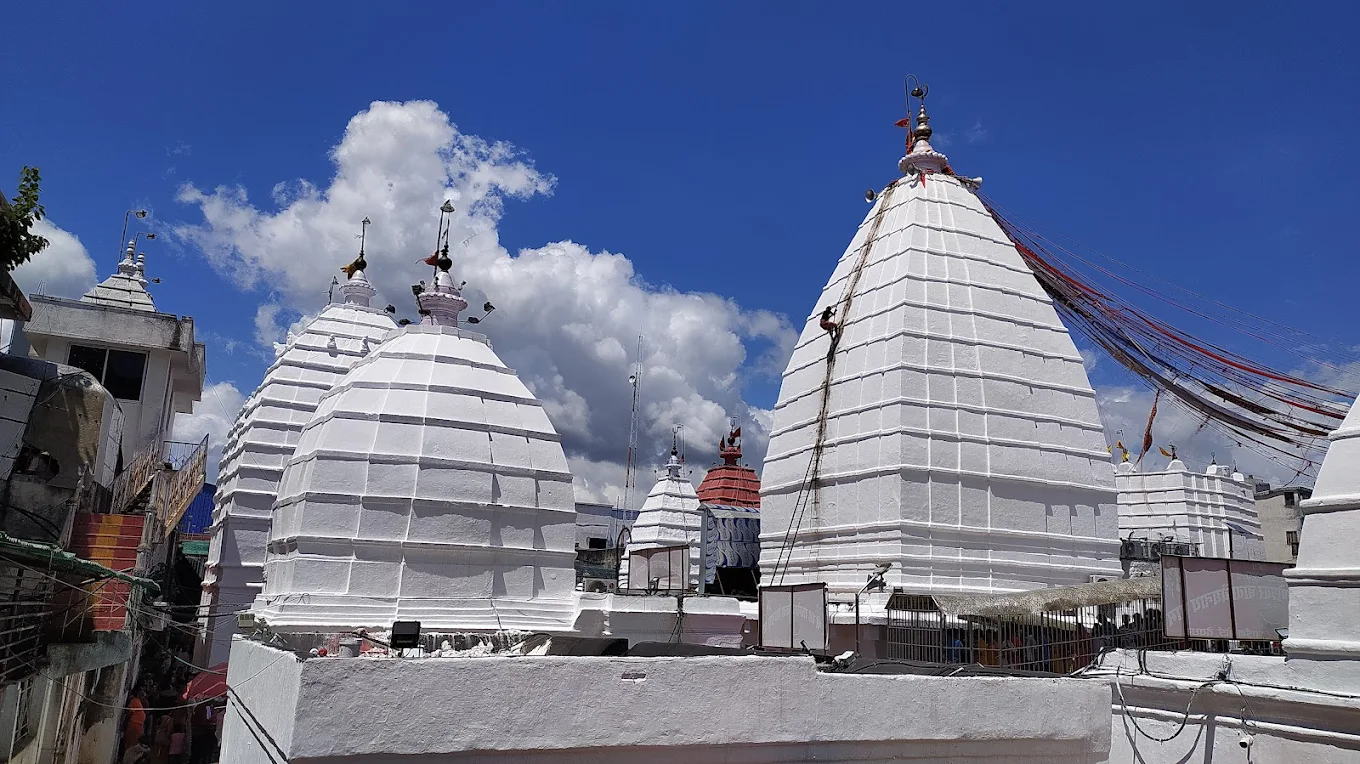
Baidyanath Jyotirlinga
Demon king Ravana performed severe austerities offering his ten heads to Mahadeva. Pleased, Shiva descended as the celestial healer (Vaidya) to reattach Ravana’s heads and gifted him this divine Linga. When Ravana placed it down in Deoghar due to Varuna’s intervention, it became permanently rooted to the earth.
Heals chronic illnesses and bestows robust health, longevity, and liberation from spiritual maladies.
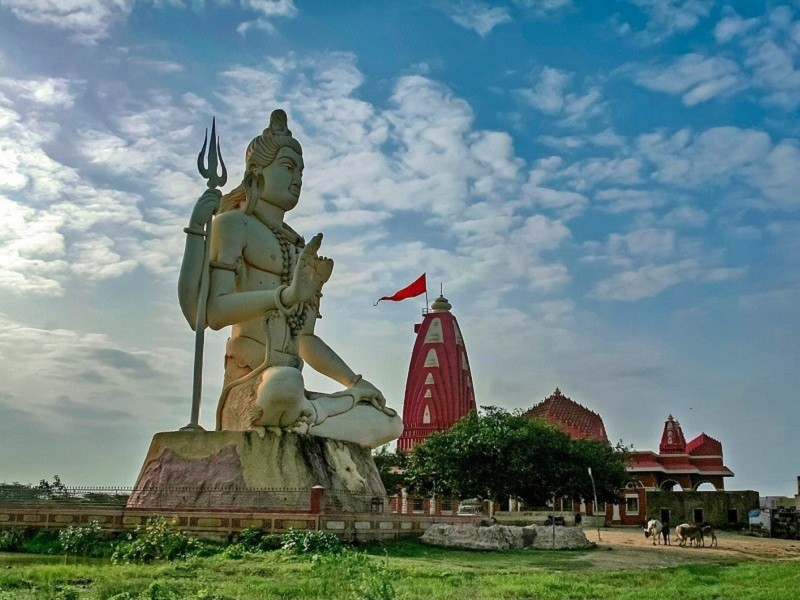
Nageshwar Jyotirlinga
Located between Dwarka and Bet Dwarka in the ancient Daaruka forest, this shrine commemorates Shiva saving his devotee Supriya from the demon Daaruka. The temple features a colossal 85-foot sitting statue of Lord Shiva, radiating serene majesty over the arid Saurashtra landscape.
Protects devotees against poisons, toxic energies, snake curses, and negative celestial influences.
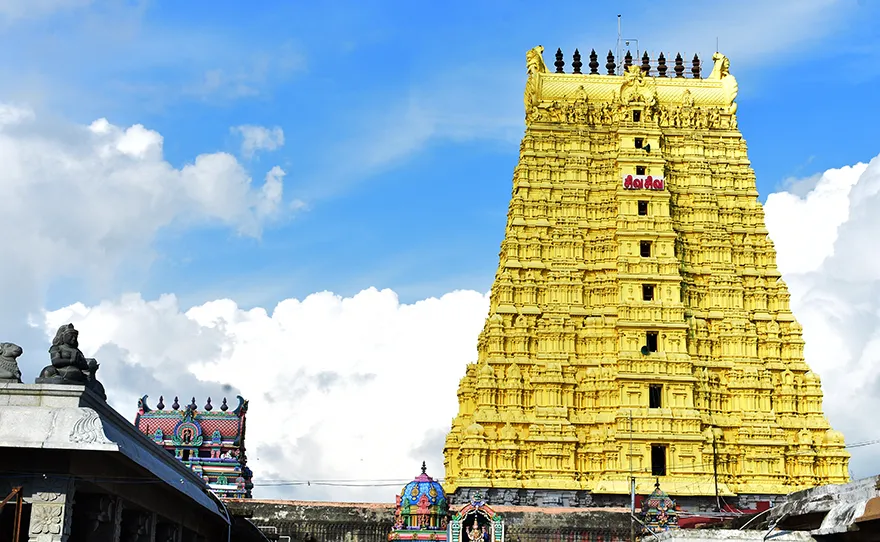
Rameshwaram Jyotirlinga
Before marching his army over the Ram Setu bridge to Lanka, Bhagwan Sri Rama crafted a Shiva Linga of sea sand with his own hands to seek blessings and absolve the karma of war. Famed for its 22 sacred teertham wells and the world’s longest corridor of intricately sculpted granite pillars.
Binds the northern and southern spiritual poles of India. Bathing in the 22 wells dispels physical and mental karmas.

Grishneshwar Jyotirlinga
Standing adjacent to the UNESCO World Heritage Ellora Caves, Grishneshwar was restored by the devout queen Ahilyabai Holkar. It honors the devout woman Ghushma, whose drowned son was miraculously restored to life by Lord Shiva due to her steadfast worship of 101 Shiva Lingas daily.
The final of the 12 Jyotirlingas, completing the divine circuit. Bestows progeny, domestic peace, and spiritual completion.