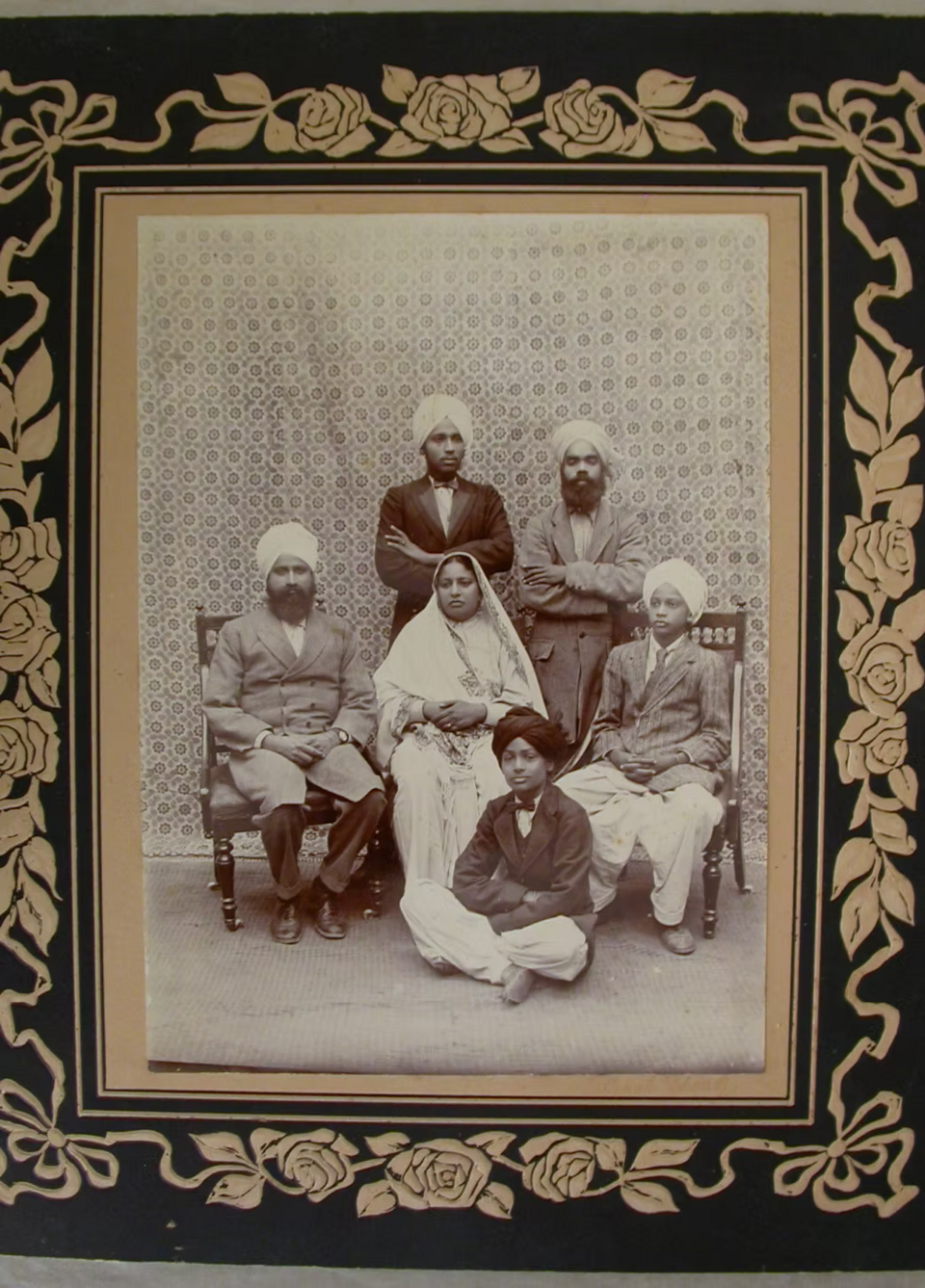
Ancestral remembrance can include a formal rite and also the quieter work of keeping family memory alive. A favourite dish, a handwritten letter or the explanation of an old photograph can help a younger generation understand people they never met. These activities can accompany a household's observance without pretending to replace its ritual tradition.
Begin with one real story
Ask an elder about an ordinary moment: how a grandparent earned a living, what a family journey was like or who taught a particular craft. Specific questions often produce richer memories than asking for a complete life history at once.
Record who told the story and when. If two relatives remember an event differently, keep both versions rather than forcing an agreement. Family history becomes more trustworthy when uncertainty is allowed to remain visible.
Food as a form of memory
Preparing a remembered dish can open a conversation about the person associated with it. Write down the method, including the small details that experienced cooks usually leave unspoken. A recipe can preserve a skill as well as a flavour.
The food prepared for a formal shraddha may follow particular family rules. Keep that question separate from a general family-memory activity, and ask the person guiding the observance rather than presenting one regional menu as compulsory for everyone.
Giving with attention
Some families include charitable giving in a day of remembrance. Choose a form of help that is useful to its recipient and within the household's means. Books requested by a school or groceries arranged with a community kitchen can be more helpful than an unsuitable donation chosen only for a photograph.
Ask before using a recipient's name or image publicly. The person being helped should not have to surrender privacy as the price of receiving assistance. A private act can honour a memory just as sincerely as a public event.
Leave space for different feelings
Not every family relationship was simple. One person may feel gratitude, another sadness, and another a mixture of both. Avoid making participation a test of affection or asking someone to tell a painful story in front of a group.
At the end of the day, preserve what the family has chosen to share: label a photograph, save a recipe or make a short recording with consent. A small, accurate record is often a lasting gift to the next generation.



