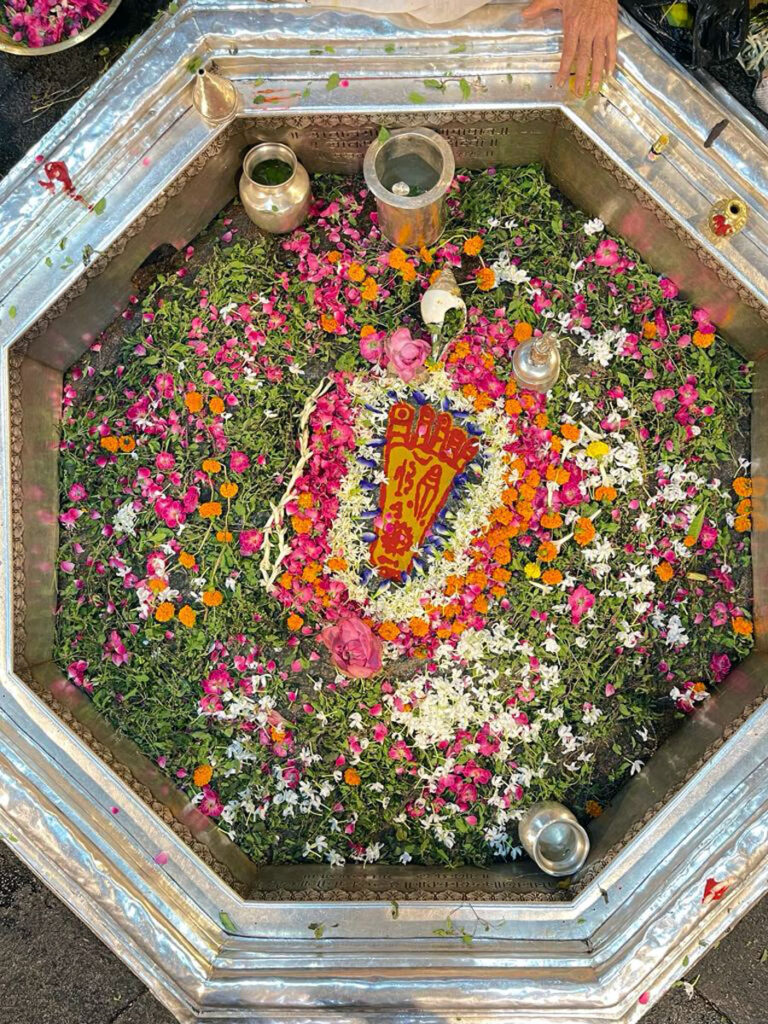
Shraddha Paksha sets aside time for people who are no longer present but whose lives continue to shape a family. A surname, a recipe, a skill, a home or a story can carry that inheritance. In many Hindu households, the observance gives remembrance a regular place in the calendar through prayer, offerings and hospitality.
Why ancestors are remembered
The religious understanding goes beyond recalling an individual biography. Ancestors belong to a continuing relationship between generations. Offerings express that relationship through action: someone prepares a meal, names the departed or participates in a family rite. The details depend on the tradition followed; the shared concern is to remember with attention.
It can help younger family members when elders explain whose memory is being honoured. A name spoken during a ceremony becomes more meaningful when a child also learns what that person did, cared about or passed on. This need not become a perfect portrait. Remembering an ordinary life honestly can be more moving than giving every ancestor an idealised history.
How the fortnight differs from an annual observance
Pitru Paksha is a seasonal period of ancestral remembrance. An annual shraddha for a particular person and the observances of the fortnight are related, but a family's calendar may distinguish them. Ask someone familiar with the family's practice before assuming that one date replaces every other remembrance.
The names Shraddha Paksha, Pitru Paksha and Mahalaya occur in regional discussions. Their use can carry different local associations. A calendar entry is easier to understand when the month, lunar day and local convention are considered together.
A thoughtful place for the whole family
Some relatives may know the prayers; others may help with cooking, welcoming guests or recording family stories. Participation does not have to look identical to be sincere. If grief is recent, leave room for quiet and avoid demanding that everyone speak publicly about the loss.
A useful preparation is to gather the names and memories that might otherwise be forgotten. Ask permission before sharing personal letters or photographs outside the family. Remembrance can preserve dignity as well as information.
Gratitude without fear
No article can establish that a household's misfortune was caused by displeased ancestors. The observance is better approached through gratitude and considered faith than through frightening promises or pressure to spend. Choose arrangements the family understands and can manage, and seek guidance from a trusted practitioner for the ritual details.



